arbitrage
Arbitrage Opportunities: Finding Discrepancies Between Kalshi and Polymarket
- arbitrage
- kalshi
- trading

Introduction

Arbitrage is a trading strategy that exploits price discrepancies between different markets or platforms. In the context of prediction markets like Kalshi and Polymarket, these discrepancies can yield profitable opportunities for nimble traders. This article delves into how to identify and capitalize on these arbitrage opportunities through a combination of market analysis, data workflows, and Python programming.
Understanding the Basics
What is Arbitrage?
Arbitrage involves taking advantage of price differences for the same asset or event across different markets. Traders simultaneously buy low in one market and sell high in another, locking in risk-free profits. In the realm of prediction markets, where users bet on the outcome of events, price discrepancies between platforms can arise due to differences in market sentiment, participant knowledge, and liquidity.
Overview of Kalshi and Polymarket
Kalshi focuses on event derivatives, allowing users to trade contracts on specific events. These contracts are regulated and often seen as more reliable due to their transparency and legitimacy.
Polymarket, on the other hand, operates as a decentralized prediction market where users can bet on various outcomes using cryptocurrencies. It tends to have a more speculative nature, leading to significant price variations.
Identifying Arbitrage Opportunities
To effectively find arbitrage opportunities between Kalshi and Polymarket, you can employ a few systematic approaches.
Utilizing Market Data
Data-driven analysis is crucial in identifying price discrepancies. The first step is to gather real-time data from both platforms:
-
API Access: Both Kalshi and Polymarket provide APIs that allow for programmatic access to market data. Set up your Python environment to interact with these APIs.
import requests def get_kalshi_data(): response = requests.get("https://api.kalshi.com/v1/markets") return response.json() def get_polymarket_data(): response = requests.get("https://api.polymarket.com/v1/markets") return response.json() -
Data Storage: Store this data in a structured format such as a pandas DataFrame for easy manipulation.
import pandas as pd

kalshi_data = pd.DataFrame(get_kalshi_data())
polymarket_data = pd.DataFrame(get_polymarket_data())
Analyzing Discrepancies
With the market data in hand, the next step is to analyze it for discrepancies that can lead to arbitrage.
Price Comparison
You can compare the prices of identical contracts (e.g., an event that can occur with a yes/no outcome) between the two platforms. The main indicators to look for are:
- Bid and Ask Prices: Identify the current bid and ask prices for the same event.
- Market Volumes: Consider liquidity; low volume can increase price variability, representing a possible opportunity.
def find_arbitrage_opportunities(kalshi_df, polymarket_df):
    opportunity_list = []

    for index, row in kalshi_df.iterrows():
        kalshi_price = row['last_trade_price']
        corresponding_event = polymarket_df[polymarket_df['event'] == row['event_name']]

        if not corresponding_event.empty:
            polymarket_price = corresponding_event['last_trade_price'].values[0]

            if kalshi_price < polymarket_price:  # Buy on Kalshi, sell on Polymarket
                opportunity_list.append({'event': row['event_name'], 'buy_price': kalshi_price, 'sell_price': polymarket_price})

            elif kalshi_price > polymarket_price:  # Buy on Polymarket, sell on Kalshi
                opportunity_list.append({'event': row['event_name'], 'buy_price': polymarket_price, 'sell_price': kalshi_price})

    return pd.DataFrame(opportunity_list)
Evaluating Opportunity Feasibility
Once you've identified potential arbitrage opportunities, assess their viability by considering:
- Transaction Costs: Factor in fees from trading platforms and possible slippage due to low liquidity.
- Timing: Speed is crucial; opportunities can disappear quickly as markets adjust to new information.
- Regulatory Constraints: Ensure compliance with any applicable regulations in your jurisdiction regarding trading on these platforms.
Building a Simple Arbitrage Bot
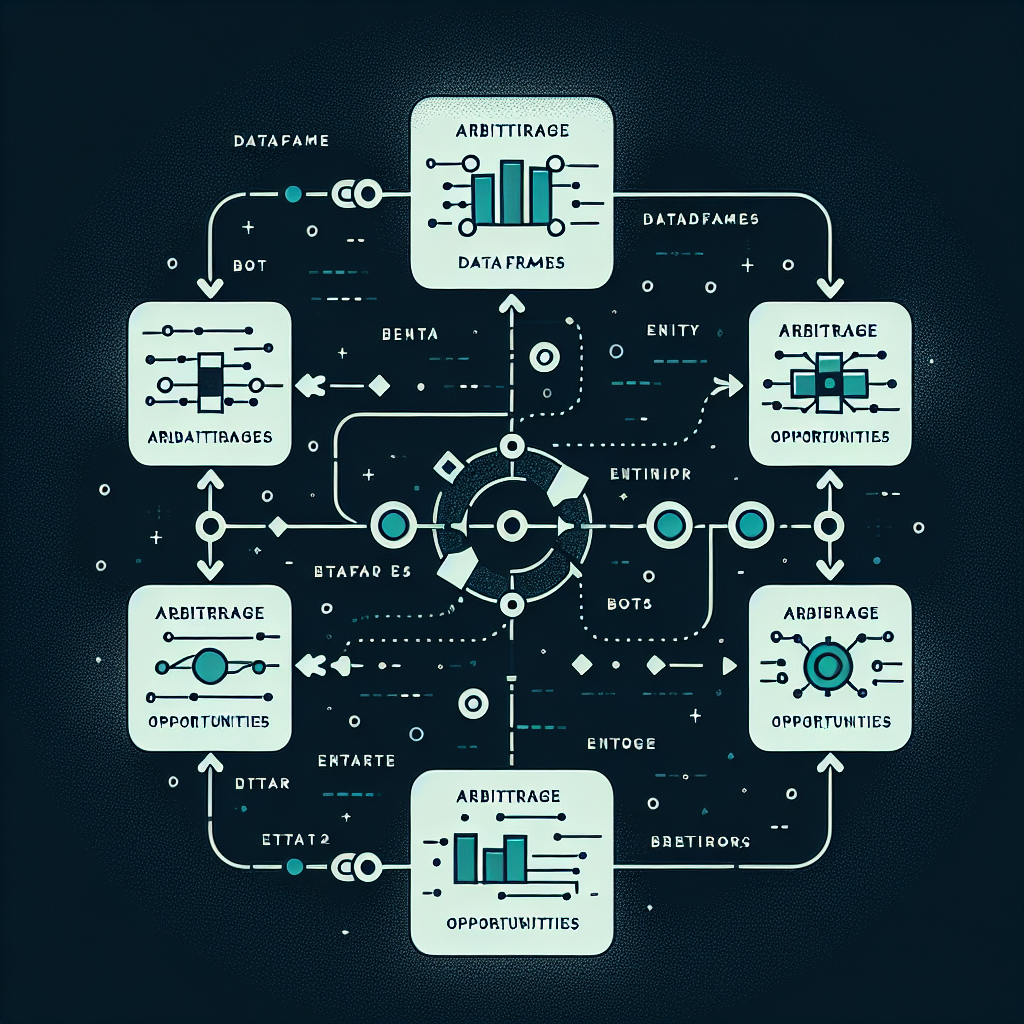
To automate the process of finding and executing arbitrage trades, you can build a simple bot using the above methodologies.
Step 1: Set Up Environment
Install necessary libraries for data handling and HTTP requests:
pip install requests pandas
Step 2: Bot Implementation
Extend your arbitrage strategy into a bot framework:
import time
def arbitrage_bot():
while True:
kalshi_df = pd.DataFrame(get_kalshi_data())
polymarket_df = pd.DataFrame(get_polymarket_data())
opportunities = find_arbitrage_opportunities(kalshi_df, polymarket_df)
# Log or print opportunities
print(opportunities)
# Sleep to avoid hitting APIs too hard
time.sleep(60) # Check every minute
arbitrage_bot()
Step 3: Execute Trades
While this bot identifies opportunities, executing trades automatically requires integration with both Kalshi and Polymarket’s trading APIs.
- Order Execution: Create functions to buy and sell contracts based on identified opportunities.
- Error Handling: Implement exception handling to manage order failures or API downtime.
Monitoring and Adjustments
As markets are dynamic, continuously monitor your bot’s performance and make necessary adjustments:
- Regularly Review Algorithms: Ensure your algorithm captures the latest market behaviors and anomalies.
- Backtest Strategies: Use historical data to test how your blind trading strategies would have performed.
- Dynamic Thresholds: Consider incorporating machine learning models that dynamically adjust thresholds for making trades based on market trends.
Conclusion
Arbitrage between Kalshi and Polymarket presents an exciting opportunity for informed traders to exploit inefficiencies. By employing a systematic approach that combines data analysis, Python programming, and diligent market monitoring, you can effectively capitalize on these discrepancies. As always, stay informed about the evolving landscape of prediction markets to refine your strategies further. Happy trading!