prediction-markets
Reputation and Resolution: How Kalshi Handles Ambiguous Outcomes
- prediction-markets
- kalshi
- trading

Reputation and Resolution: How Kalshi Handles Ambiguous Outcomes

In the world of prediction markets, the integrity of outcomes is paramount. Kalshi, a regulated exchange for trading on event-driven outcomes, has established stringent mechanisms to ensure that traders can confidently engage with ambiguous scenarios. This article explores how Kalshi navigates these complexities, focusing on its approach to handling reputation and resolution, underpinning the processes that bolster trust among participants.
Understanding the Landscape of Prediction Markets
Prediction markets allow individuals to place bets on the outcomes of future events, ranging from election results to economic indicators. However, the ambiguity inherent in many outcomes poses significant challenges. For instance, an event like "Will the U.S. economy enter a recession in 2024?" can have multiple interpretations depending on definitions and metrics.
Why Ambiguous Outcomes Matter
Handling ambiguity is critical for maintaining market integrity. If market outcomes are not objectively defined, it can lead to disputes and erode trader trust. This is particularly relevant in markets where reputation is concerned, as traders need assurance that their investments are secure.
Kalshi's Framework for Managing Ambiguity
Kalshi's approach to ambiguous outcomes hinges on two primary pillars: reputation management and resolution processes. Both aspects are intertwined and essential for the platform to function effectively.
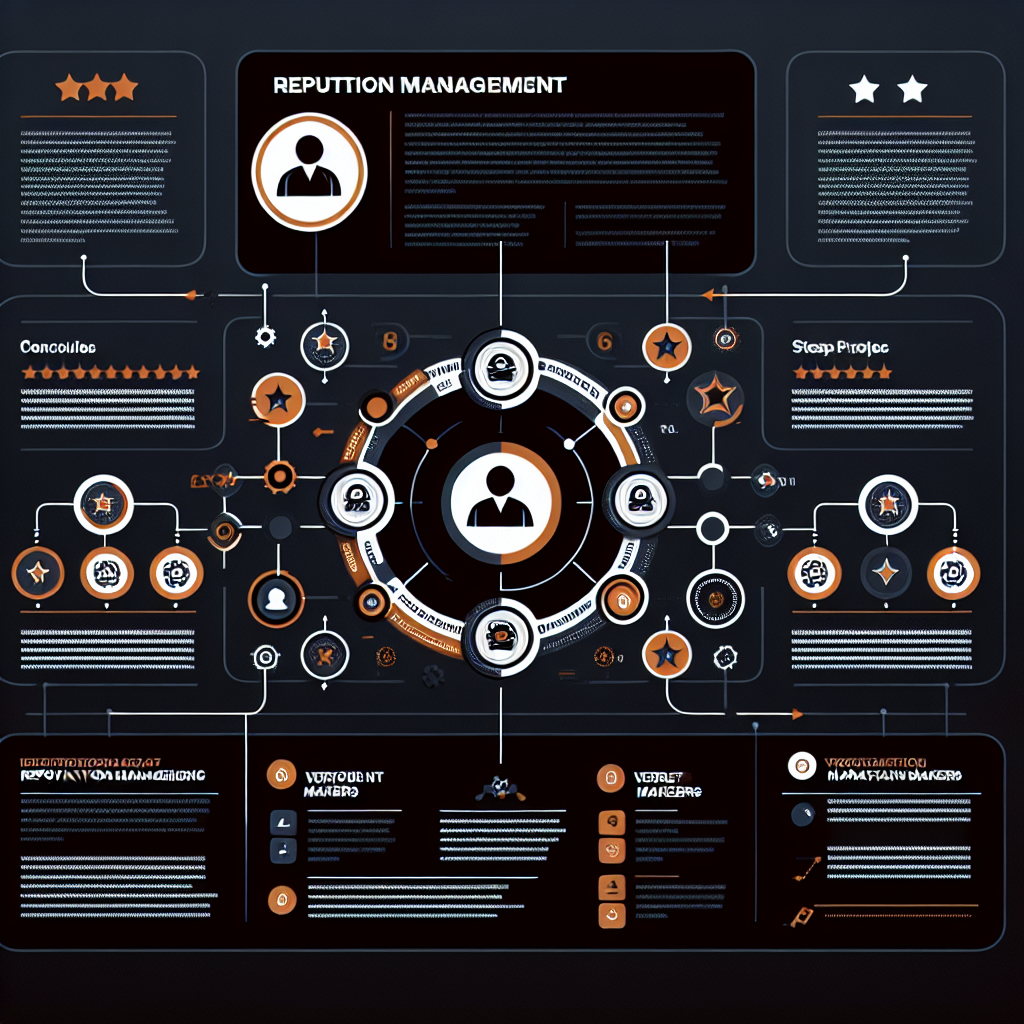
Reputation Management
Reputation management in Kalshi encompasses how the platform cultivates trust among its users. Kalshi employs several strategies to ensure participants can rely on the outcomes of their trades.
Verified Market Makers
One of the essential elements of Kalshi’s reputation framework is the use of verified market makers. By providing liquidity and maintaining a fair market, these entities help to stabilize pricing for ambiguous outcomes. Their credentials and performance history are rigorously vetted, ensuring that traders can access reliable market information.
Transparent Reporting
Kalshi implements transparent reporting on all market activities. By allowing traders to view detailed histories of trades, pricing movements, and outcome resolutions, users can make informed decisions. The platform regularly releases data analytics on market performance, enhancing overall credibility.
import pandas as pd

# Load market activity data
market_data = pd.read_csv('kalshi_market_data.csv')

# Analyze outcomes for transparency
summary = market_data.groupby('outcome').agg({
    'trade_volume': 'sum',
    'closing_price': 'mean'
}).reset_index()

print(summary)
User Feedback Mechanisms
Kalshi encourages continuous trader feedback, making it a key part of their reputation management strategy. Users can rate their experiences, and systematic feedback is analyzed to identify areas for improvement. This responsiveness enhances the platform's reputation by illustrating a commitment to user satisfaction.
Resolution Processes
When ambiguous outcomes arise, Kalshi has set resolution mechanisms designed to provide clarity and finality. This aspect is crucial, as disputes can lead to dissatisfaction among traders.
Outcome Definition Clarity
Before a market opens, Kalshi clearly defines the parameters of each event. For example, a market that trades on whether a certain unemployment rate will be met must specify the time frame and measuring statistics involved. This clarity helps prevent disputes post-event.
def define_outcome(event_name, time_frame, criteria):
    return {
        'event': event_name,
        'time_frame': time_frame,
        'criteria': criteria
    }

# Example usage
outcome = define_outcome("US Unemployment Rate", "2024", ["Bureau of Labor Statistics"])
print(outcome)
Use of Third-Party Arbitrators
In cases of disputes, Kalshi employs third-party arbitrators to review ambiguous outcomes. This independent evaluation ensures that decisions are unbiased. The challenge lies in how these arbitrators interpret ambiguous data; therefore, their expertise is crucial in earning trader confidence.
Example of Resolution in Action
Imagine a market on the outcome, "Will Inflation surpass 5% in Q3 2024?" After the quarter ends, the inflation rates are published by official financial bodies, leading to nuanced interpretations due to data discrepancies. Kalshi would utilize its third-party arbitrators to assess whether the calculated rate genuinely meets the established criteria.
Implementation of Data Workflows
The resolution of ambiguous outcomes is greatly aided by robust data workflows. Kalshi develops internal systems that facilitate the real-time analysis and reporting of outcome data. Here’s an example of how data workflows function:
- Data Collection: Real-time data is gathered from trusted economic sources.
- Data Cleaning: Mismatches or outliers are resolved to produce clean datasets.
- Analysis: Automated scripts analyze outcomes against defined criteria.
- Reporting: The processed data is made available in user-friendly formats that traders can access to understand market performance.
import requests

def fetch_inflation_data(api_url):
    response = requests.get(api_url)
    if response.status_code == 200:
        return response.json()
    else:
        raise Exception("Data fetch failed!")

# Example API call for inflation data
api_url = "https://api.kalshi.com/inflation_data"
inflation_data = fetch_inflation_data(api_url)
print(inflation_data)
Market Structure: Managing Ambiguity through Design
Kalshi’s market structure is designed specifically to facilitate the handling of ambiguous outcomes. By allowing the creation of specific markets for narrowly defined outcomes, ambiguity can be minimized. Additionally, the architectural design of the exchange can adaptively accommodate a variety of event types, thereby enhancing the user experience.
Flexibility in Market Offerings
Kalshi introduces flexibility in market offerings, enabling traders to create or modify markets based on evolving economic indicators or political scenarios. This adaptability means that traders are not bound to rigid definitions; instead, they can deal with the ambiguity as it shifts in real-world contexts.
Conclusion
Kalshi’s methodical approach to handling ambiguous outcomes underscores its commitment to fostering a trustworthy trading environment. By focusing on reputation management and streamlined resolution processes, Kalshi not only empowers its traders but also ensures the long-term viability of its platform. As prediction markets grow in popularity, Kalshi serves as a model for balancing the complexity of ambiguous outcomes with the integrity and functionality necessary for successful trading. By closely aligning trading frameworks with clear definitions, third-party oversight, and responsive feedback, Kalshi sets a high standard for the prediction market landscape.