nlp
Sentiment from Earnings Transcripts: Keyword Extraction and Scoring
- nlp
- kalshi
- trading
Sentiment from Earnings Transcripts: Keyword Extraction and Scoring

Earnings transcripts provide a wealth of information on a company's performance and future outlook through management's commentary. By analyzing these transcripts using techniques like keyword extraction and sentiment scoring, traders can derive actionable insights that influence trading decisions. This article will explore how to implement keyword extraction, score sentiments, and leverage these insights to build more effective trading models.
Understanding Earnings Transcripts
Earnings transcripts are official records of earnings calls, often containing discussions around revenue, expenses, and future forecasts. For traders, these documents reveal company management's sentiment and outlook, which can significantly impact stock prices. By processing this data programmatically, we can facilitate a deeper understanding of market sentiment.
Importance in Trading
Traders use sentiment analysis to gauge market sentiment, allowing them to make informed decisions. For example, if a company's management expresses optimism about future growth during an earnings call, this may lead to a bullish sentiment and potential upward movement in stock prices. Conversely, negative sentiments may indicate potential declines.
Keyword Extraction Techniques
Keyword extraction is critical for summarizing the most relevant topics discussed during earnings calls. There are several popular techniques in natural language processing (NLP) that can be employed to extract keywords effectively.
TF-IDF (Term Frequency-Inverse Document Frequency)
One of the most commonly used methods for keyword extraction is TF-IDF. This statistic reflects how important a word is to a document relative to its frequency across multiple documents. In the context of earnings transcripts, TF-IDF can highlight the terms that are most indicative of the sentiments expressed by the management.
Implementation Example
Below is a simple Python implementation using the scikit-learn library:
import pandas as pd
from sklearn.feature_extraction.text import TfidfVectorizer

# Sample earnings call transcripts
transcripts = [
    "We are excited about our growth in the next quarter. Our expansion strategy is on track.",
    "Challenges remain, but we are managing costs effectively.",
    "There is uncertainty in the market. We need to tighten our budgets."
]

# Initialize the TF-IDF vectorizer
vectorizer = TfidfVectorizer(stop_words='english')
tfidf_matrix = vectorizer.fit_transform(transcripts)

# Create a DataFrame with keywords
tfidf_df = pd.DataFrame(tfidf_matrix.toarray(), columns=vectorizer.get_feature_names_out())
print(tfidf_df)
In this example, TF-IDF scores are calculated for words in sample earnings call transcripts, which can later be used to analyze keyword significance and trends.
RAKE (Rapid Automatic Keyword Extraction)
RAKE is another effective method that identifies keywords based on their co-occurrence in a text. Unlike TF-IDF, RAKE is more context-aware and can yield more relevant keywords.
Implementation Example
You can use the following code to implement RAKE using the rake-nltk library:
from rake_nltk import Rake

# Initialize RAKE
rake = Rake()

# Process transcripts
for transcript in transcripts:
    rake.extract_keywords_from_text(transcript)
    keywords = rake.get_ranked_phrases()
    print(f"Keywords from transcript: {keywords}")
Sentiment Scoring
Once keywords have been extracted, the next step is to analyze sentiment. By applying sentiment analysis tools, you can score the sentiment associated with the extracted keywords.
Sentiment Analysis with VADER
VADER (Valence Aware Dictionary and sEntiment Reasoner) is a sentiment analysis tool specifically designed for social media text. However, it can also be adapted to analyze earnings transcripts effectively.
Example of Sentiment Scoring
Here's a code snippet that demonstrates how to use VADER for scoring sentiment:
from nltk.sentiment.vader import SentimentIntensityAnalyzer

# Initialize VADER
sid = SentimentIntensityAnalyzer()

# Score each transcript
for transcript in transcripts:
    sentiment_scores = sid.polarity_scores(transcript)
    print(f"Sentiment scores for transcript: {sentiment_scores}")
The output will include negative, neutral, positive, and compound scores that can be interpreted to gauge overall sentiment.
Integrating Keyword Extraction and Sentiment Scoring
Combining keyword extraction with sentiment scoring creates a powerful framework for analyzing earnings transcripts. By identifying high-importance keywords and scoring their sentiment, you can identify trends and topics of concern or excitement within earnings calls.
Data Workflow Example
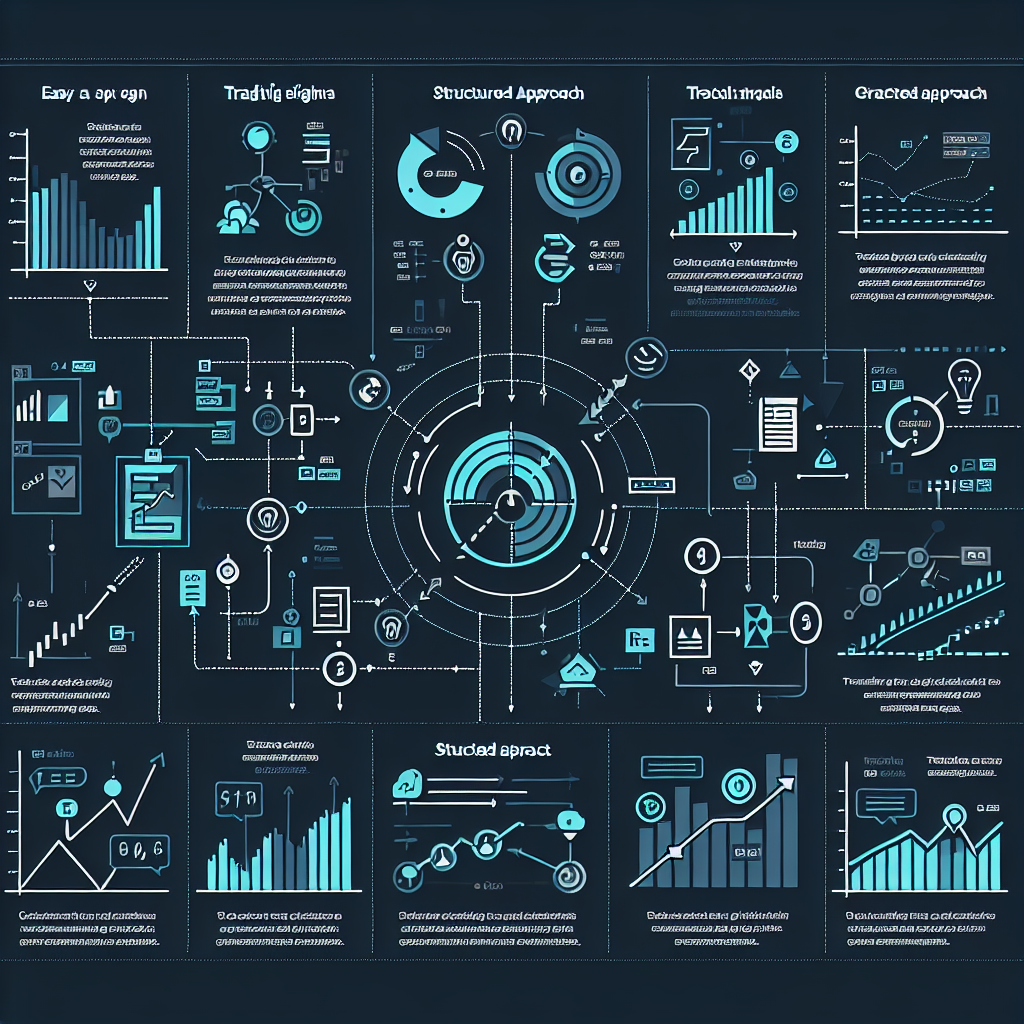
A structured approach would involve the following steps:
- Data Collection: Gather earnings transcripts either via APIs or public sources.
- Preprocessing: Clean the text data by removing special characters and irrelevant information.
- Keyword Extraction: Utilize TF-IDF or RAKE to extract meaningful keywords.
- Sentiment Scoring: Apply VADER to obtain sentiment scores for the transcripts.
- Integration: Map keywords to their corresponding sentiment scores and identify trends.
- Trading Signals: Use the insights for backtesting strategies or generating trading signals.
Example Trading Signal Generation
For instance, if a particular keyword such as “growth” appears frequently with a positive sentiment score, it may trigger a bullish trading signal. Conversely, frequent negative sentiments regarding “costs” may signal a potential sell-off.
You can further refine your model by looking for correlations between the sentiment scores and stock price changes post-earnings call. This can be done using historical stock price data and analyzing patterns that may emerge.
Measuring Model Effectiveness
Evaluating the effectiveness of this sentiment analysis framework involves backtesting against historical data. Key performance indicators (KPIs) to consider include:
- Accuracy: The percentage of correctly predicted stock price movements based on sentiment scores.
- Precision & Recall: Measures indicating how well your model identifies positive and negative sentiments.
- Sharpe Ratio: A risk-adjusted measure of return that helps gauge model performance.
Backtesting Framework Example
Using a library like zipline for backtesting your strategies based on sentiment can provide insights into the potential profitability:
# Pseudo-code for backtesting sentiment-based strategy
from zipline.api import order_target, record

def initialize(context):
    context.asset = symbol('AAPL')

def handle_data(context, data):
    sentiment_score = get_latest_sentiment(context.asset)

    if sentiment_score['compound'] > 0.5:
        order_target(context.asset, 1)  # Buy signal
    elif sentiment_score['compound'] < -0.5:
        order_target(context.asset, 0)  # Sell signal

    record(price=data.current(context.asset, 'price'))
Conclusion
Incorporating keyword extraction and sentiment scoring from earnings transcripts allows traders to derive insights that can inform better trading strategies. By utilizing techniques like TF-IDF and VADER, traders can create innovative models that capture management sentiment, potentially leading to improved profitability. As market dynamics evolve, refining these methodologies will be essential for maintaining a competitive edge in algorithmic trading.