risk
Using Prediction Markets to Hedge Equity and Crypto Exposure
- risk
- kalshi
- trading

Using Prediction Markets to Hedge Equity and Crypto Exposure
In an era where traditional hedging mechanisms are often inadequate, prediction markets offer a compelling alternative for managing equity and crypto exposure. This article explores how traders and quant developers can leverage prediction markets to decrease risk and enhance their overall trading strategy.
What Are Prediction Markets?
Prediction markets are platforms that allow participants to wager on the outcomes of future events, where the prices reflect the collective expectations of outcomes. This market structure mirrors traditional financial markets, yet operates on a unique principle where traders bet on the likelihood of events. Examples include political elections, economic indicators, and yes, even market movements.
Key Characteristics of Prediction Markets
- Incentivized Information Aggregation: Participants have a financial incentive to provide accurate information, leading to more reliable price signals.
- Market Dynamics: Prices fluctuate based on participant sentiment and real-world events, akin to traditional equities or cryptocurrencies.
- Flexibility: They can be designed to cover a wide range of events, including specific market movements, such as stock price variations or cryptocurrency trends.
The Need for Hedging in Equity and Crypto Markets
In volatile markets like equities and cryptocurrencies, preserving capital is paramount. Sudden downturns or adverse news can lead to significant financial losses. While common hedging strategies involve using options and futures, they may not always be cost-effective or available. Prediction markets, by contrast, can be a strategic tool for hedging.
Why Use Prediction Markets as a Hedge?
- Cost-Effective: Prediction markets typically require lower capital outlay compared to traditional instruments.
- Liquidity: Well-established prediction markets can offer high liquidity, allowing users to enter and exit positions with less slippage.
- Adaptability: Traders can hedge against various possible outcomes, not just price movements but also events impacting market psychology.
Practical Application: Hedging with Prediction Markets
Example Scenario
Suppose you are holding a diversified portfolio of equities that is heavily weighted in tech stocks like Apple and Microsoft, and you are concerned about the upcoming Federal Reserve interest rate hike announcement. You anticipate a bearish sentiment in the market following the announcement, which could negatively affect your tech investments.
Step 1: Identify Relevant Prediction Markets
You could turn to platforms like PredictIt, Augur, or Polymarket to find markets relating to the Fed's decision on interest rates. For example, a market might exist on whether the Fed will raise rates by 25 basis points in the upcoming meeting.
Step 2: Analyze Market Data
Using Python, we can extract market data from these platforms. Here’s how you might use the requests library to access API data from a prediction market:
import requests

def get_prediction_market_data(event_id):
    url = f"https://api.predictionmarket.com/event/{event_id}"
    response = requests.get(url)
    return response.json()

event_data = get_prediction_market_data("fed_rate_hike")
print(event_data)
This data will include current prices or probabilities, informing you of market sentiment around interest rates. Analyzing significant shifts in these probabilities could indicate the relative risk in your equity positions.
Step 3: Formulate the Hedge
Suppose the market indicates a 75% probability of a rate hike. You decide to hedge by taking a short position in a prediction market contract betting on a rate hike. If the market bears out and your equities drop, the gains from the hedge could offset some of the losses.
Positioning in a Prediction Market
- Buy Contracts: Stake an amount on the outcome you expect to occur.
- Monitor Data: Continuously analyze market changes leading up to the event.
- Exit Strategy: If the market’s stance shifts negatively or positively in your favor, execute your exit plan to capture profits or limit losses.
Building an Automated Trading System
By combining market data, sentiment analysis, and prediction market outcomes, you can create an automated trading system using Python. Here's a simple framework using pandas to evaluate sentiments and establish thresholds for hedging.
import pandas as pd
from sklearn.linear_model import LogisticRegression
# Example function to manage sentiment analysis and prediction market data
def analyze_and_hedge(equity_data, prediction_data):
# Simple logistic regression for synthetic analysis
model = LogisticRegression()
X = prediction_data[['probabilities']].values
y = (equity_data['returns'] < 0).astype(int)
model.fit(X, y)
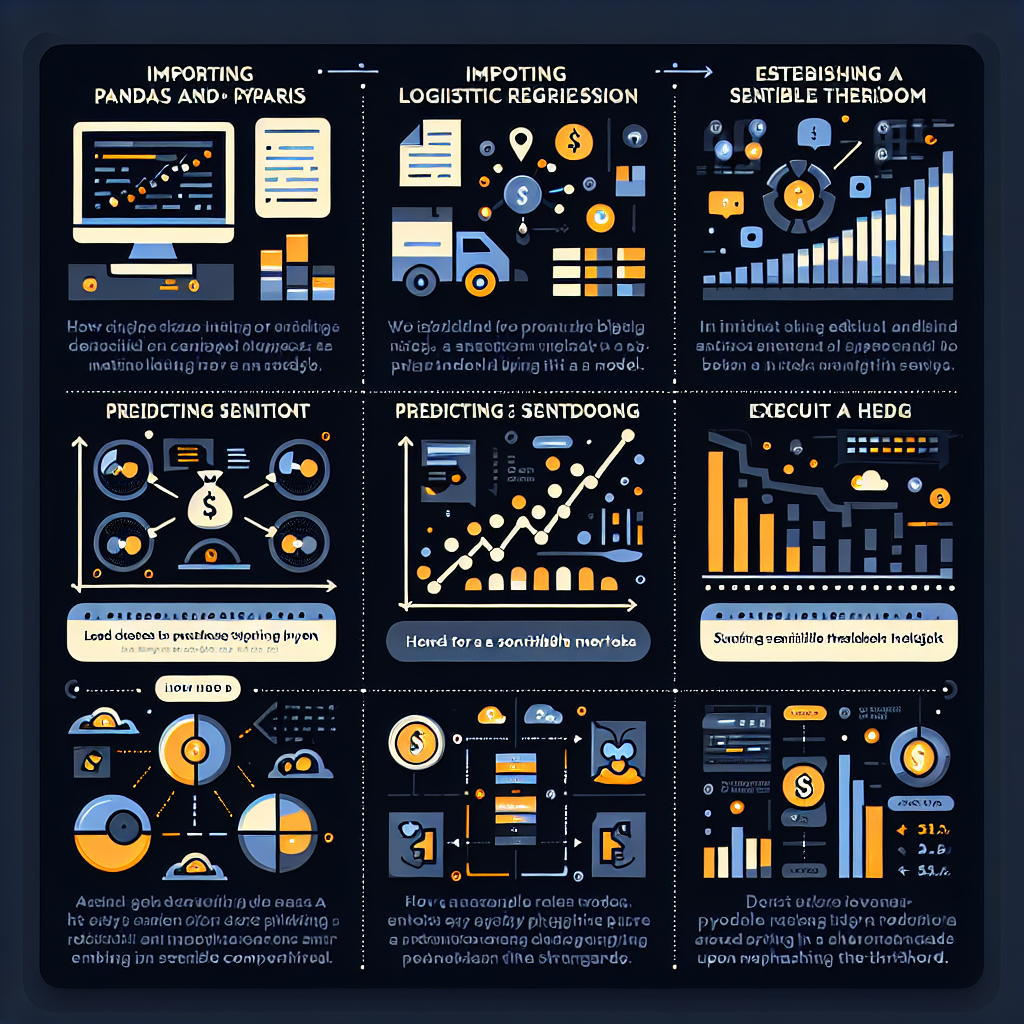
sentiment = model.predict(X)
if sum(sentiment) > threshold: # Define a sensible threshold based on your strategy
# Execute hedge in prediction market
execute_hedge_in_prediction_market()
# Dummy placeholders for functions
def execute_hedge_in_prediction_market():
pass # Implement trading strategies here
Considerations and Limitations
Market Manipulation Risk
While prediction markets are designed to aggregate information, they can be susceptible to manipulation. Small players with substantial funds may alter outcomes for profit. Always verify the integrity of the market before investing.
Availability and Regulatory Status
Not all regions have access to prediction markets, and varying regulations could impact their operations. Stay updated on local laws when considering their use in your trading strategies.
Conclusion
Prediction markets can serve as an innovative mechanism to hedge against equity and crypto exposure, especially in times of uncertainty. By leveraging data analysis and a strategic approach, traders can enhance their risk management profiles effectively. As markets evolve, keeping abreast of advancements in prediction market mechanisms can further refine your trading strategies, ensuring you remain competitive in an ever-changing landscape.